




Conceptual inspiration for a house centred around a galley was drawn from the experience of our client’s life when they lived on board a narrowboat in the UK. Our clients loved that every aspect of their boat was highly considered, every space utilised.
This project speaks to two types of home-coming. The macro, coming home from living overseas with a broader perspective and experiences, and the micro, the daily rhythms and flow of coming and going from home.
Environmental consciousness starts with an understanding that the easier it is ride, the more we do it and this home is planned specifically to facilitate this. Ensuring every centimetre is utilised, avoids excess. Reuse of original building fabric minimises waste. New materials were selected for longevity and recyclability. Active and passive measures include solar and rainwater harvesting, considered orientation and ventilation.
This home is designed to expressly connect with our community through carefully graduated external and internal spaces. The design supports everyday interactions with the neighbourhood as a reminder that we are part of a greater whole, encouraging us to look outside of ourselves.
Topology acknowledge the traditional custodians of the land on which our studio stands. The Yalukit Willam people of the Boon Wurrung and the wider Kulin Nation. Each of us pay our deepest respects to the elders past, present and those emerging. We pledge our commitment in caring for this land and its first people. We promise to respect its history and continue to speak the truth.
On the lands of the Boon Wurrung
Lisieux is a beachfront property, located in Middle Park on the low lying strip of land between Albert Park Lake and Port Phillip Bay, once called Hobson Bay, and before that for a long time, Nairm. We respectfully acknowledge the Yaluk-ut Weelam Clan of the Boon Wurrung and their continuing relationship to the land upon which this project is sited.
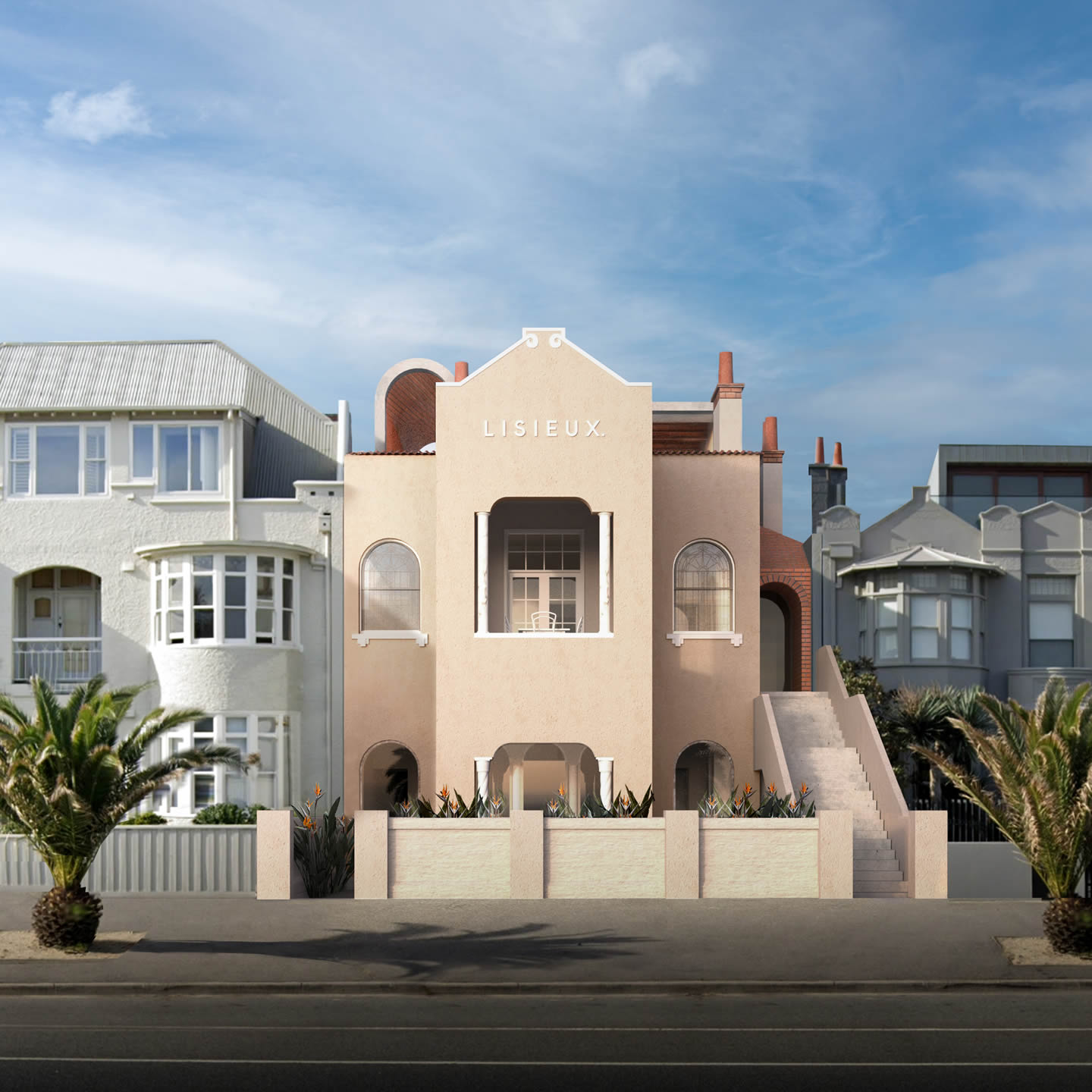
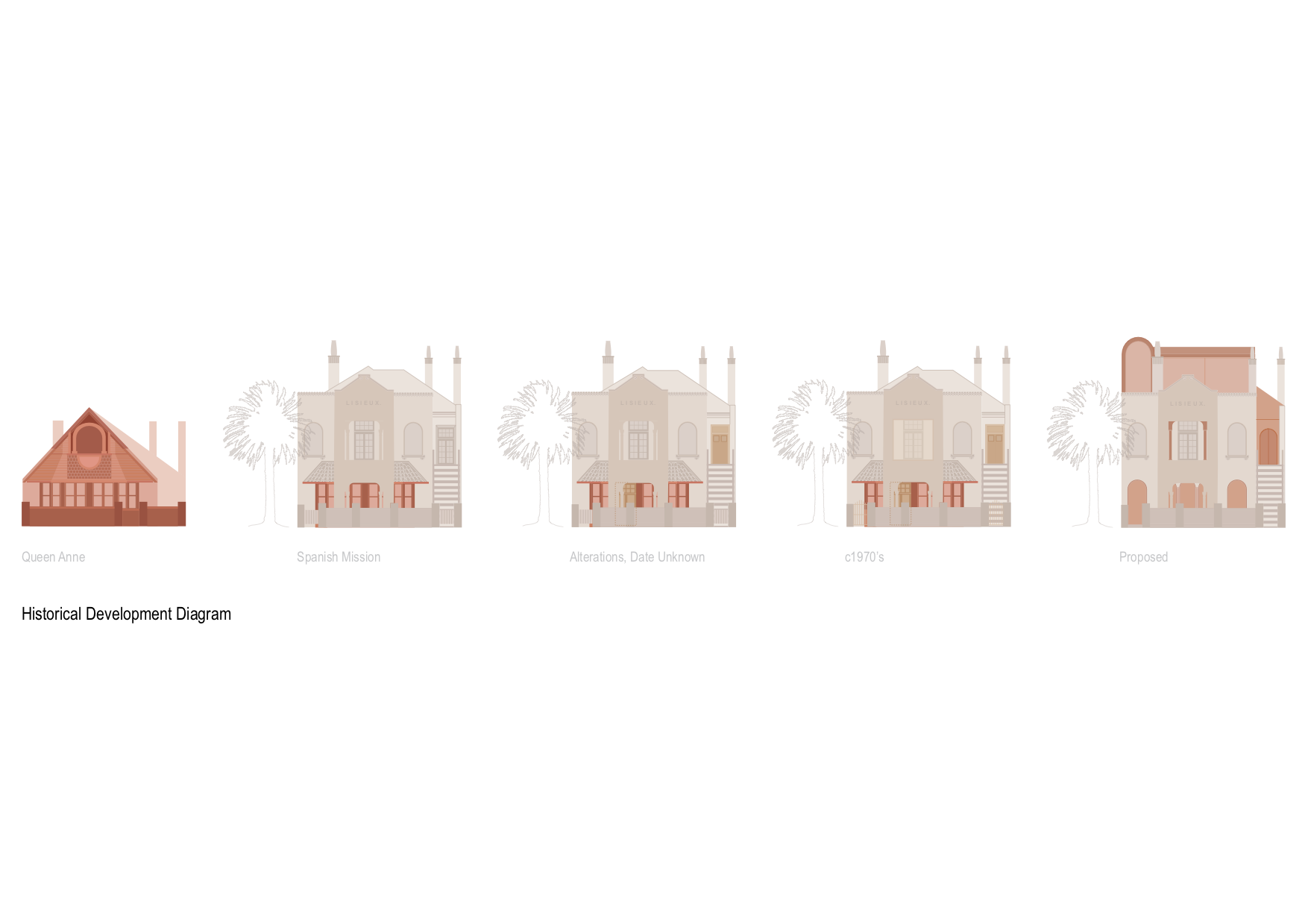
Photos from the 1920’s show a Queen Anne pitched-roof house. Around a decade later the property was subdivided with two ground floor apartments and a second storey added to accommodate a third. Access to the first floor apartment by a new external stair and a Spanish Mission style façade transformed the presentation to the street. This alteration retained remnants of the original Queen Anne style at ground level which, together with alterations that enclosed the front portico the 1970’s, resulted in a façade that lacked clarity and undermined the intended glamor of the Spanish Mission alterations.
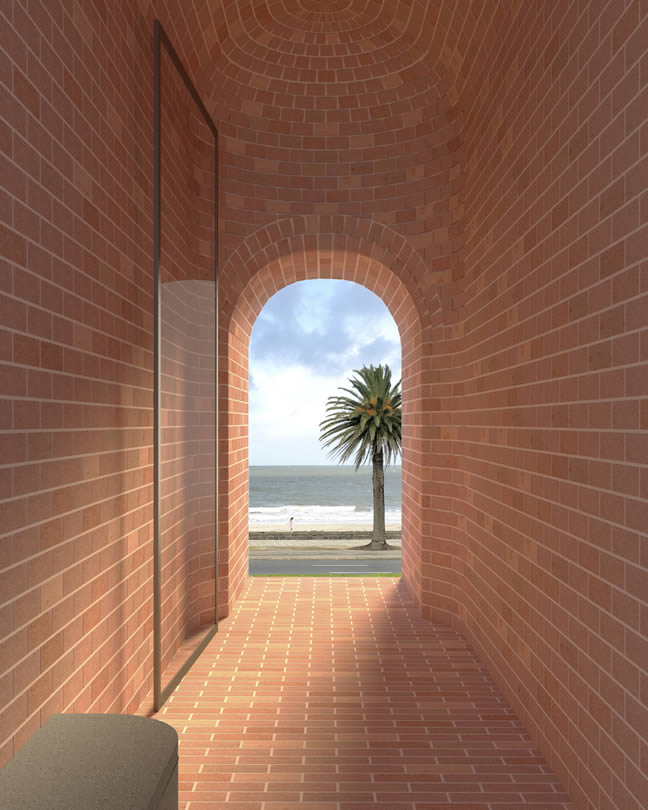
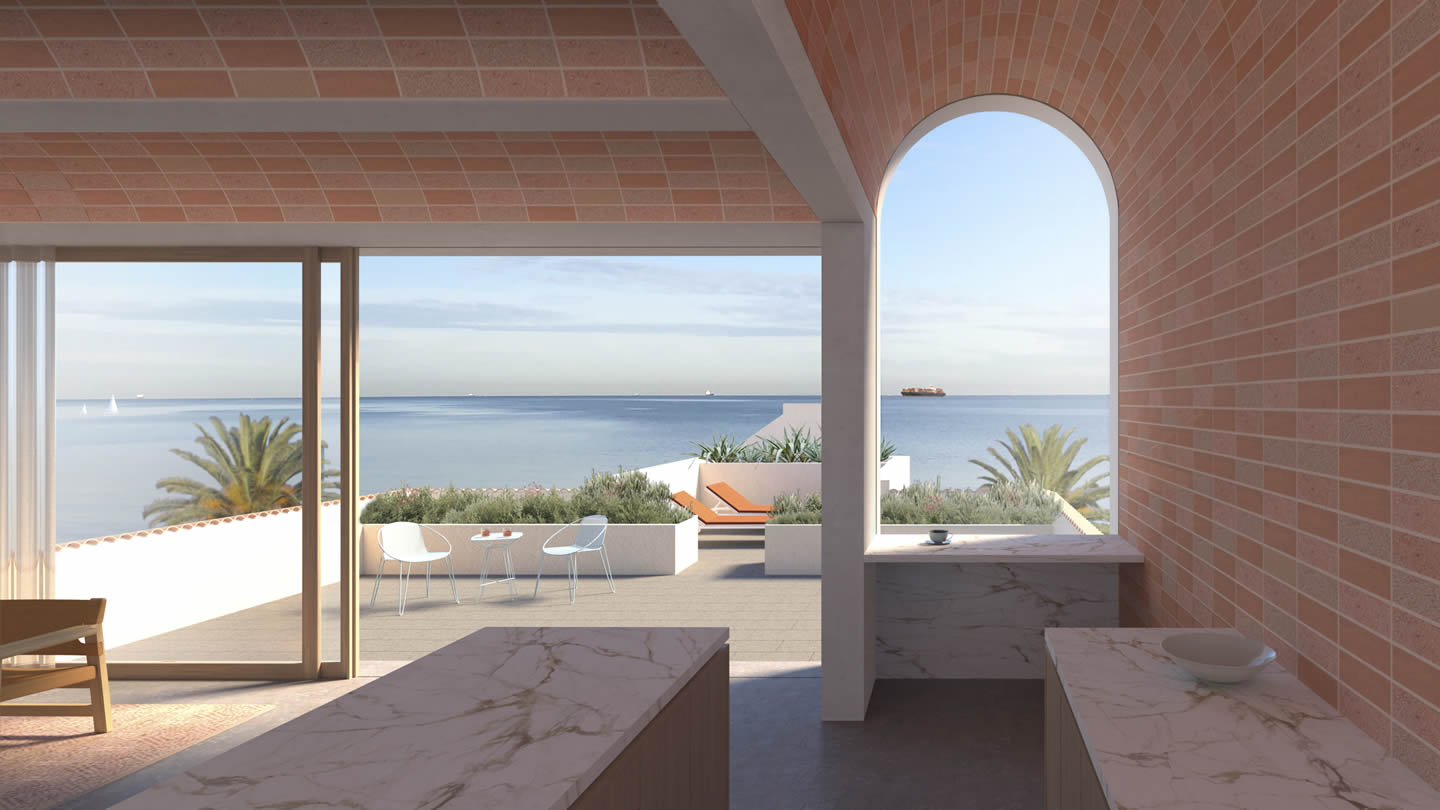
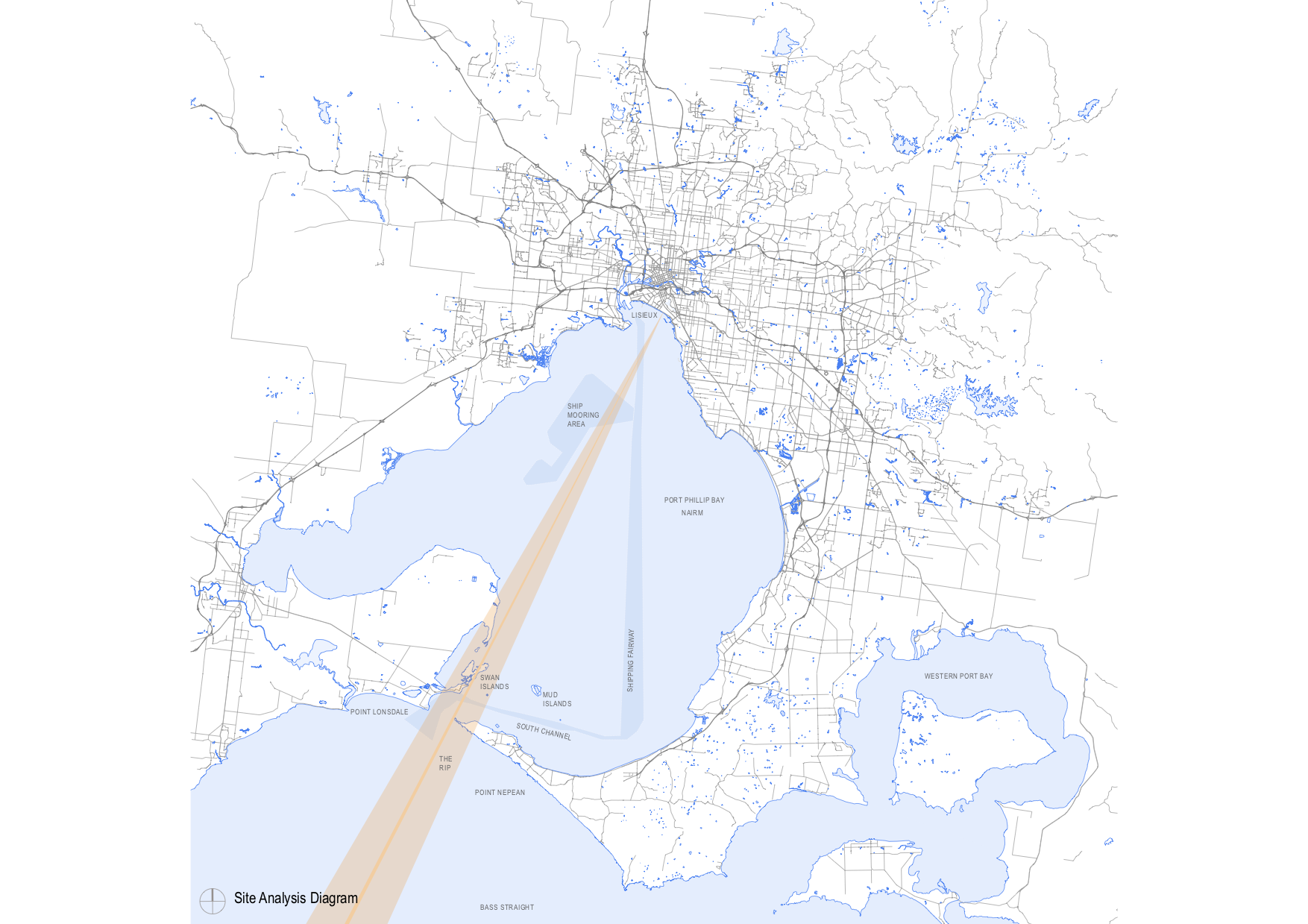
If you stand at the top of the external stairs and look across the bay, you are on a direct alignment with The Rip, a narrow opening that separates Point Nepean from Point Lonsdale. This gap is an aperture in the protective embrace of the Mornington and the Bellarine Peninsula that protect the bay-side suburbs from the battering winds of the Bass Strait.
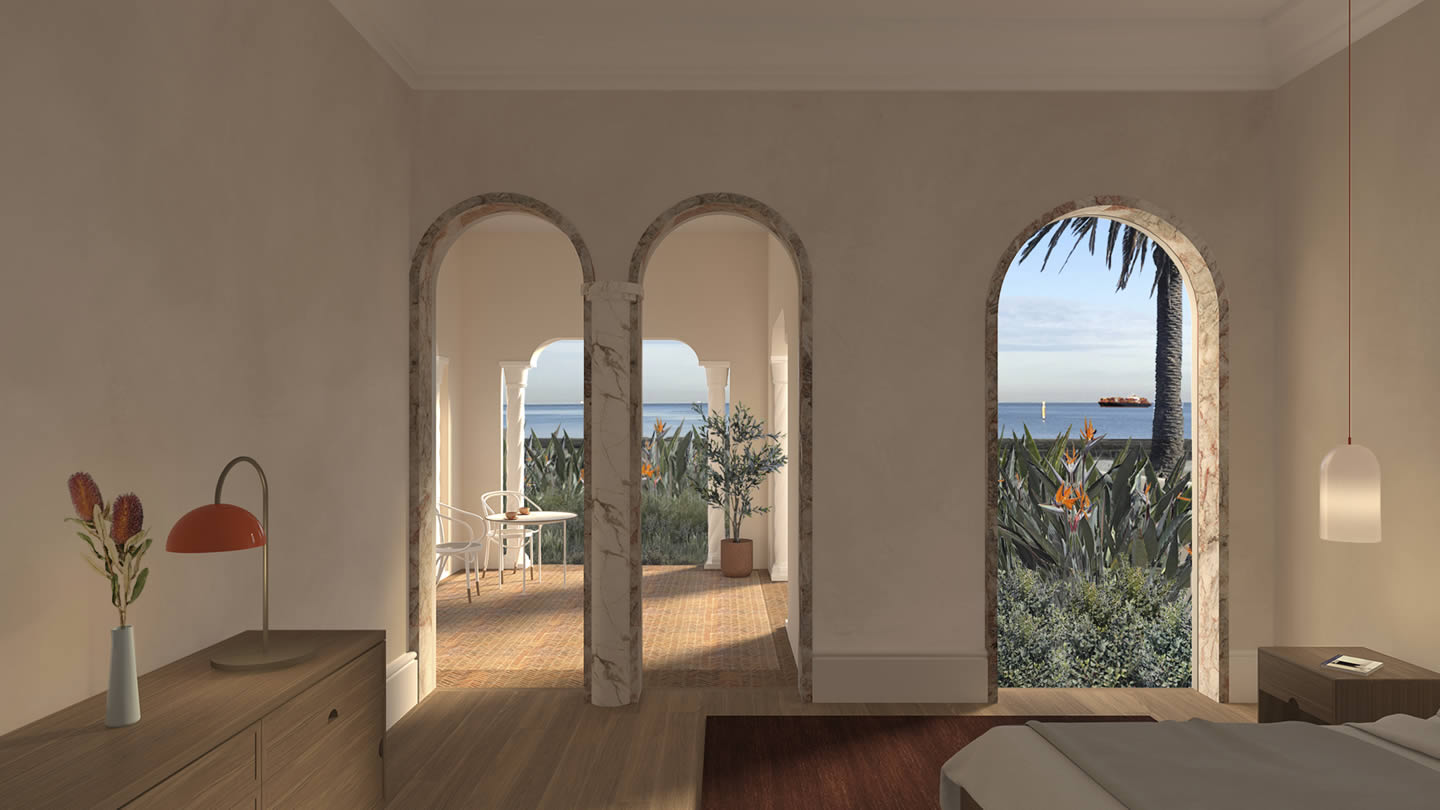
Between Beaconsfield Parade and the distant shore-line the lights of the shipping lane flicker in the early evening light. All day and night a slow moving line of ships enter through The Rip and cross the bay. Their enormous hulking forms slipping in and out of views framed by architectural openings, by narrow lanes and rows of trees. We are reminded of Rick Amor’s “Study For The Ship 2003” where a hulking bow fills empty arches of an abandoned building and of his wind-sculptured tea-trees that cling, claw-like to dunes now still, in front of glassy water.
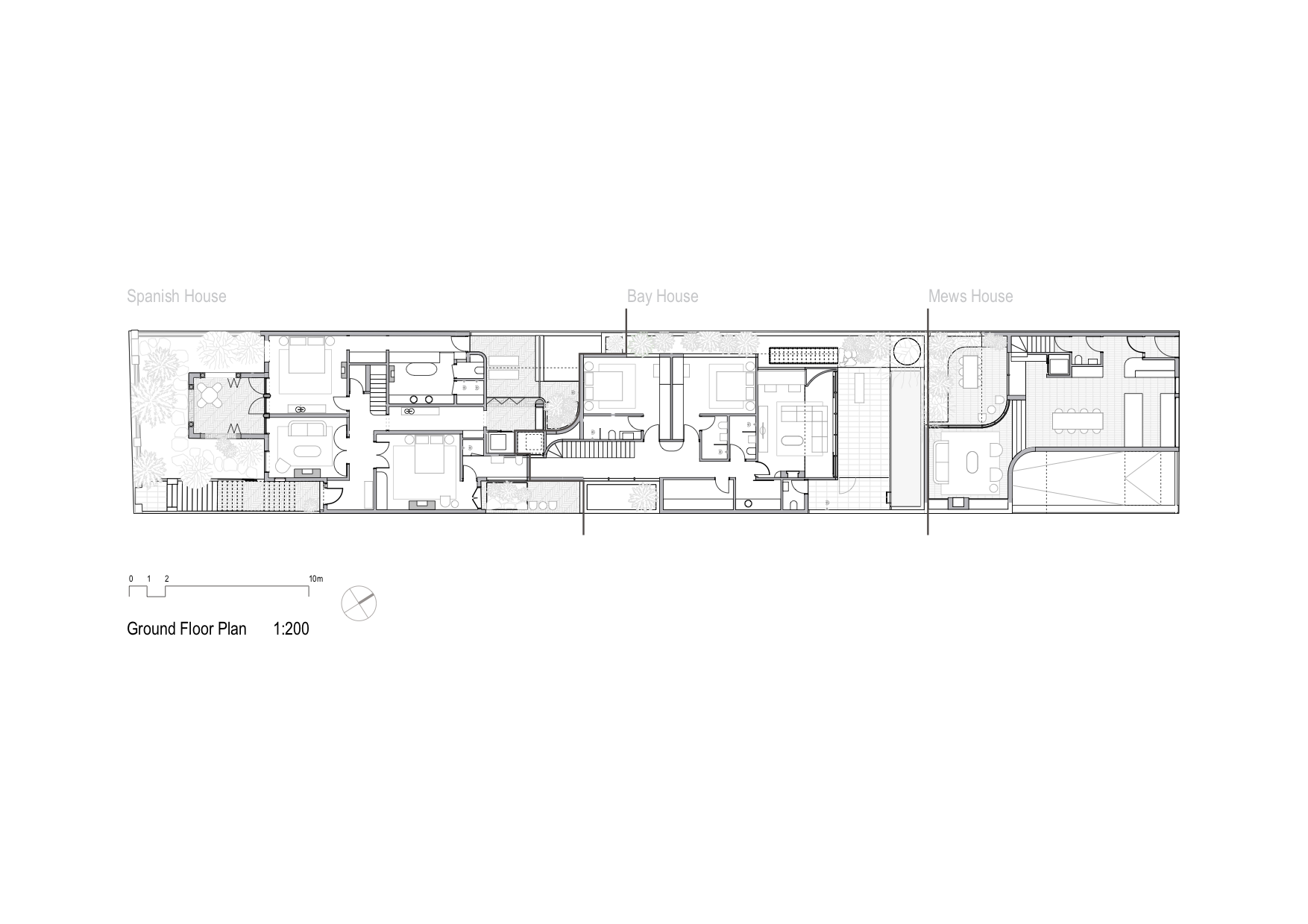
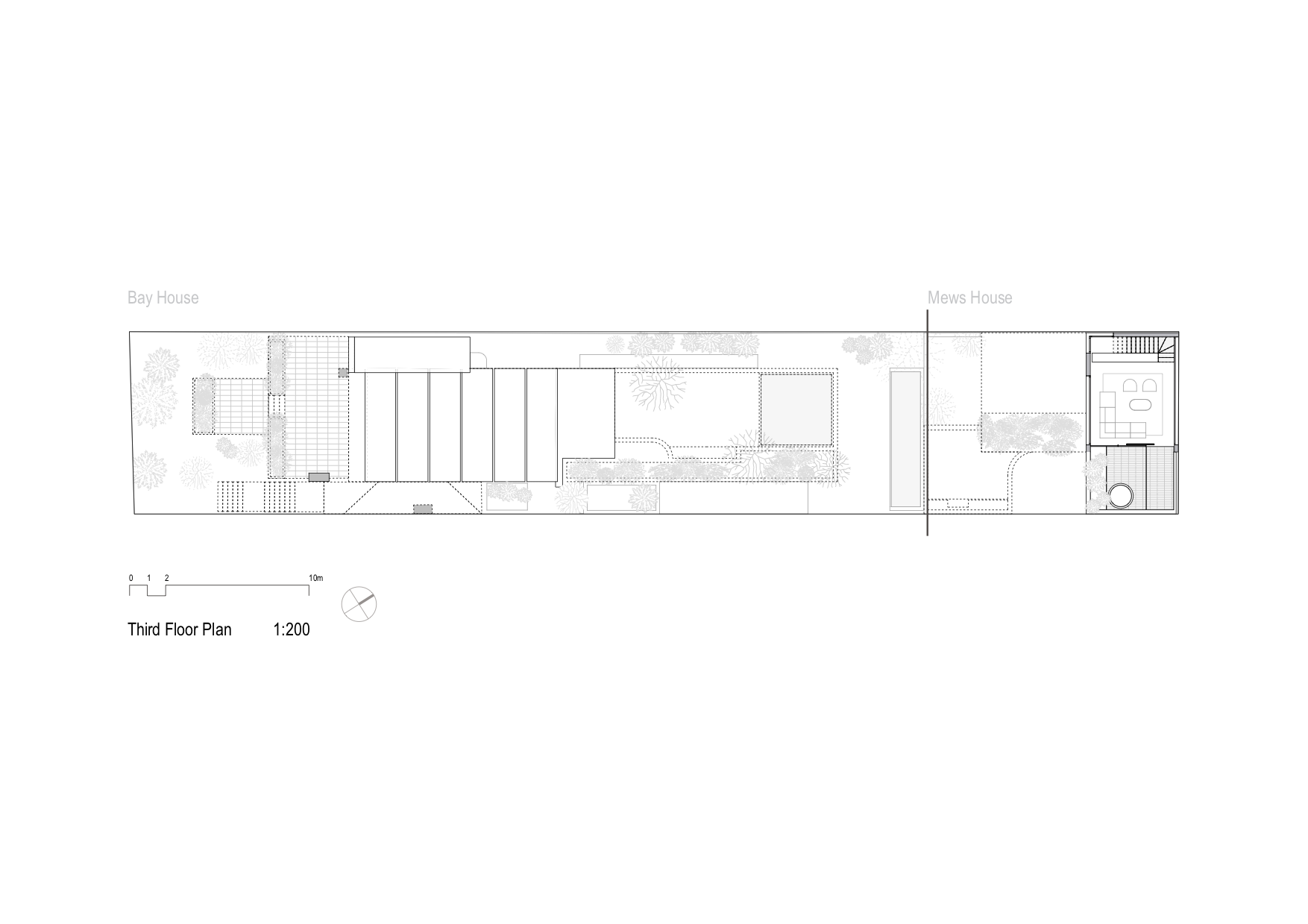
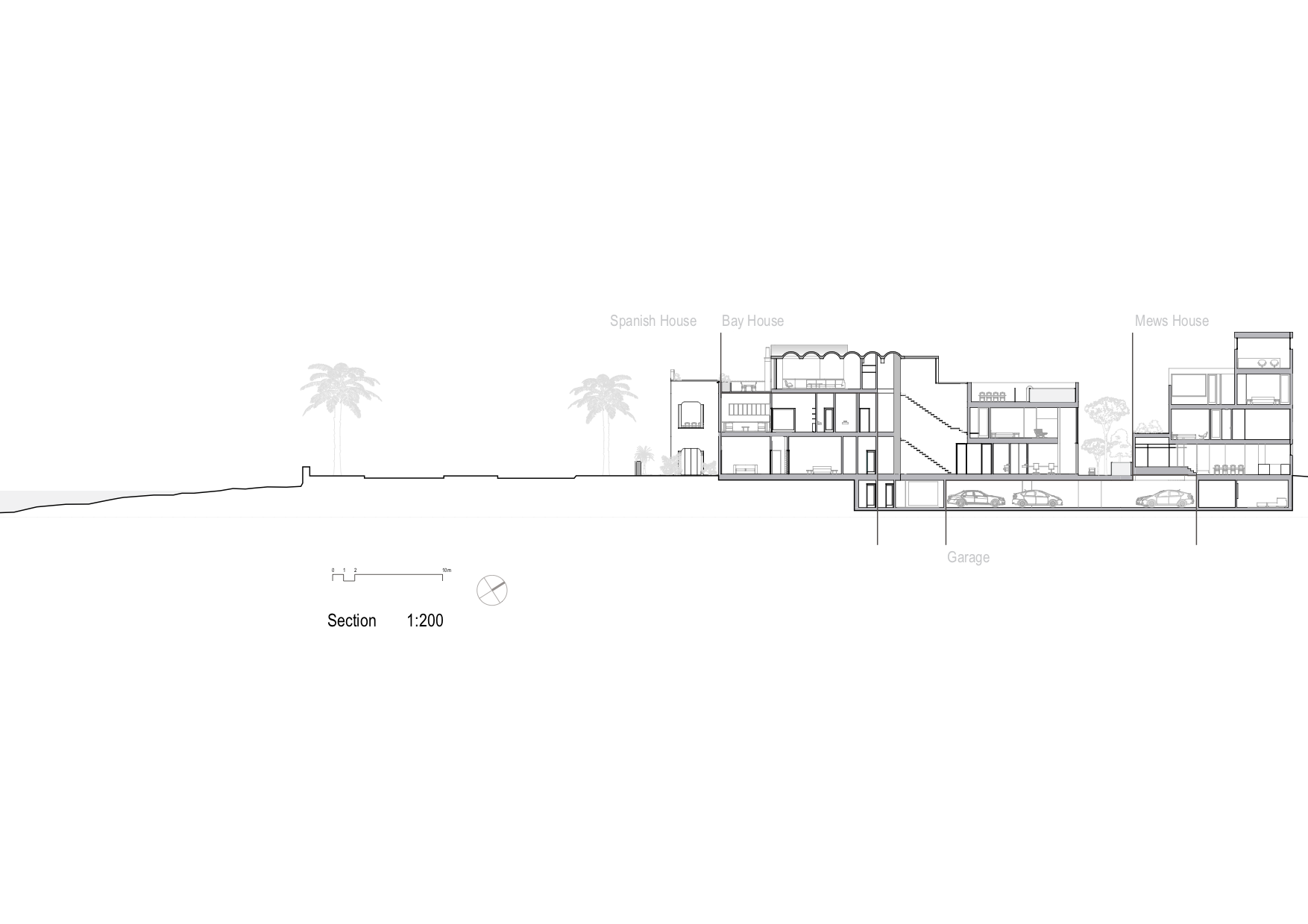
This design is for three homes:
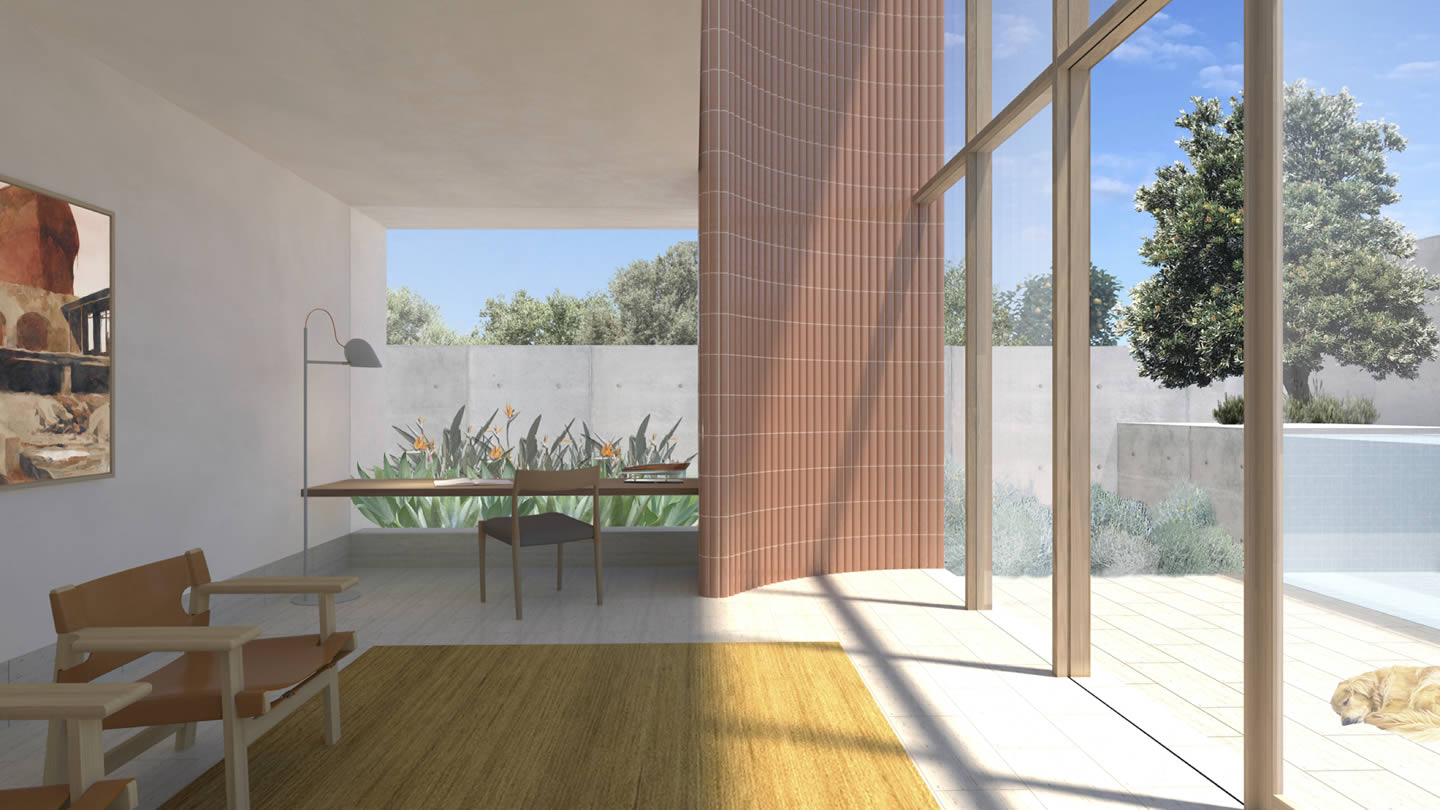
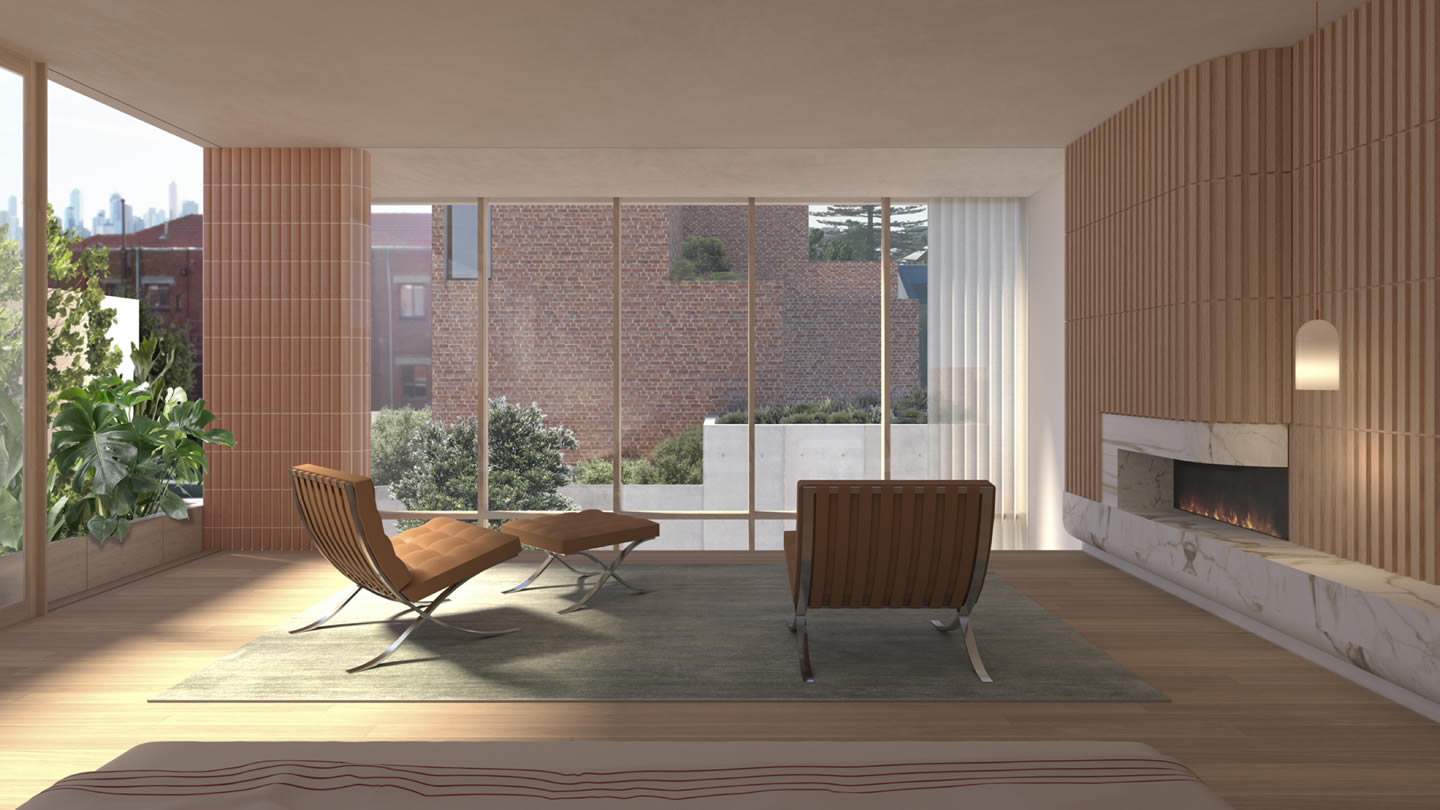
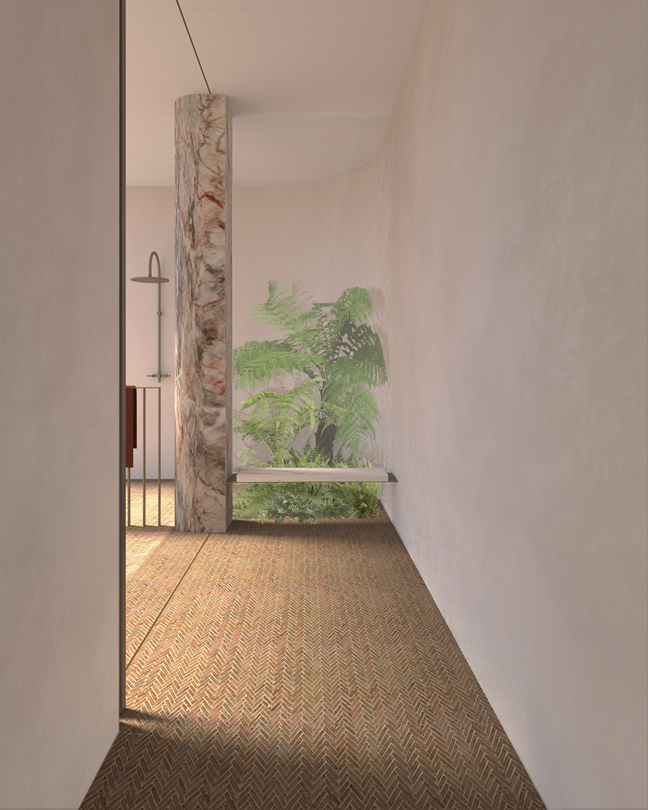
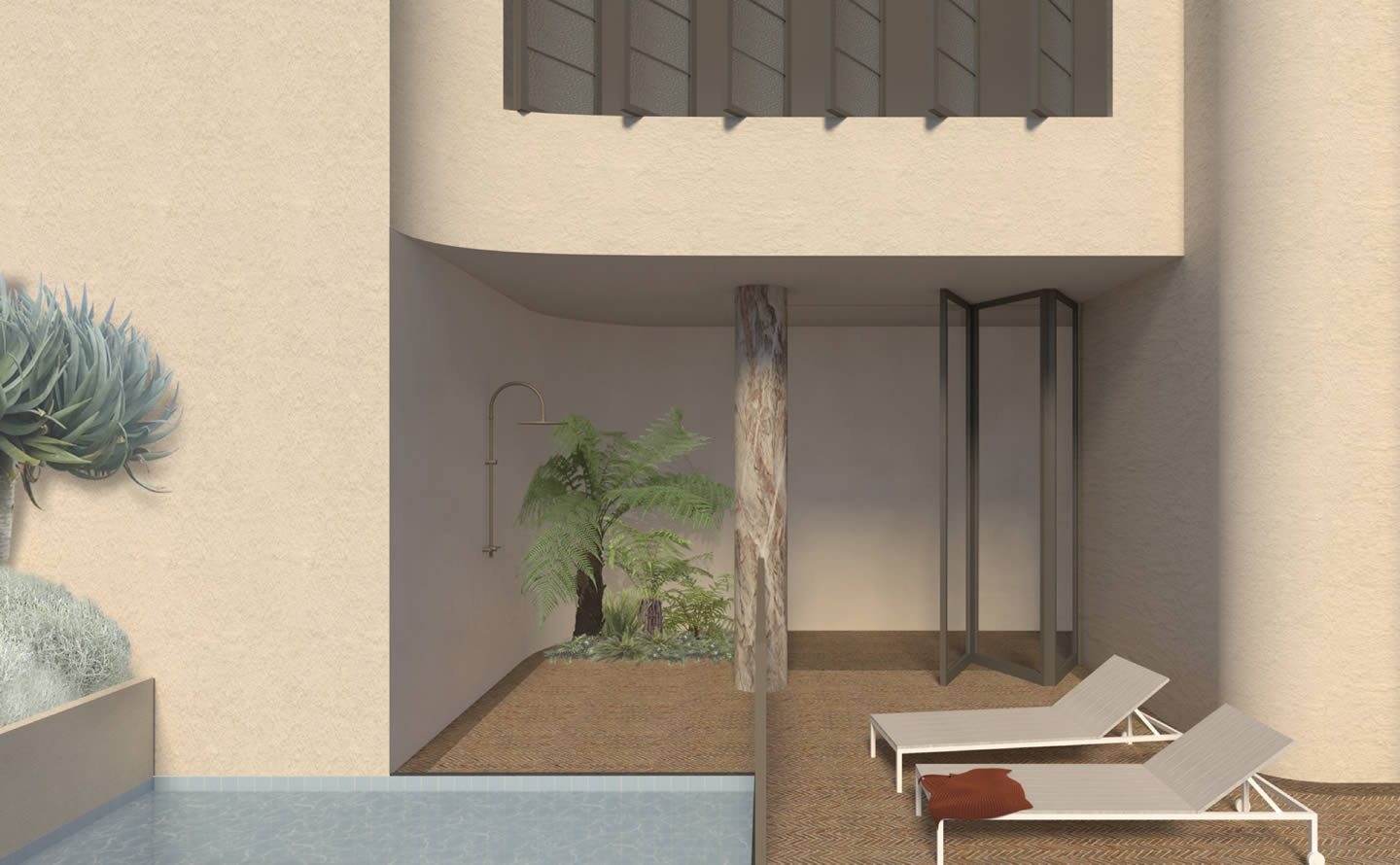
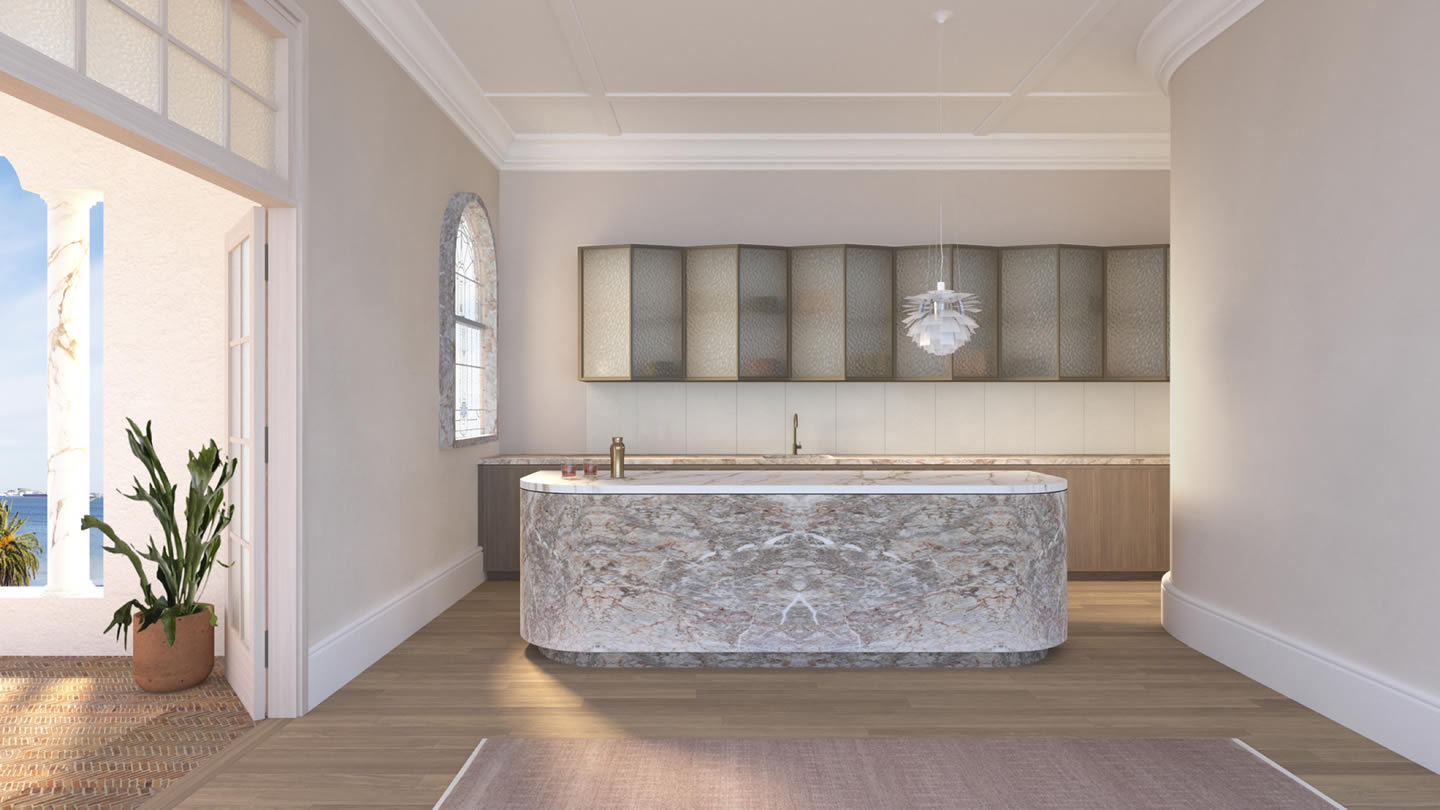
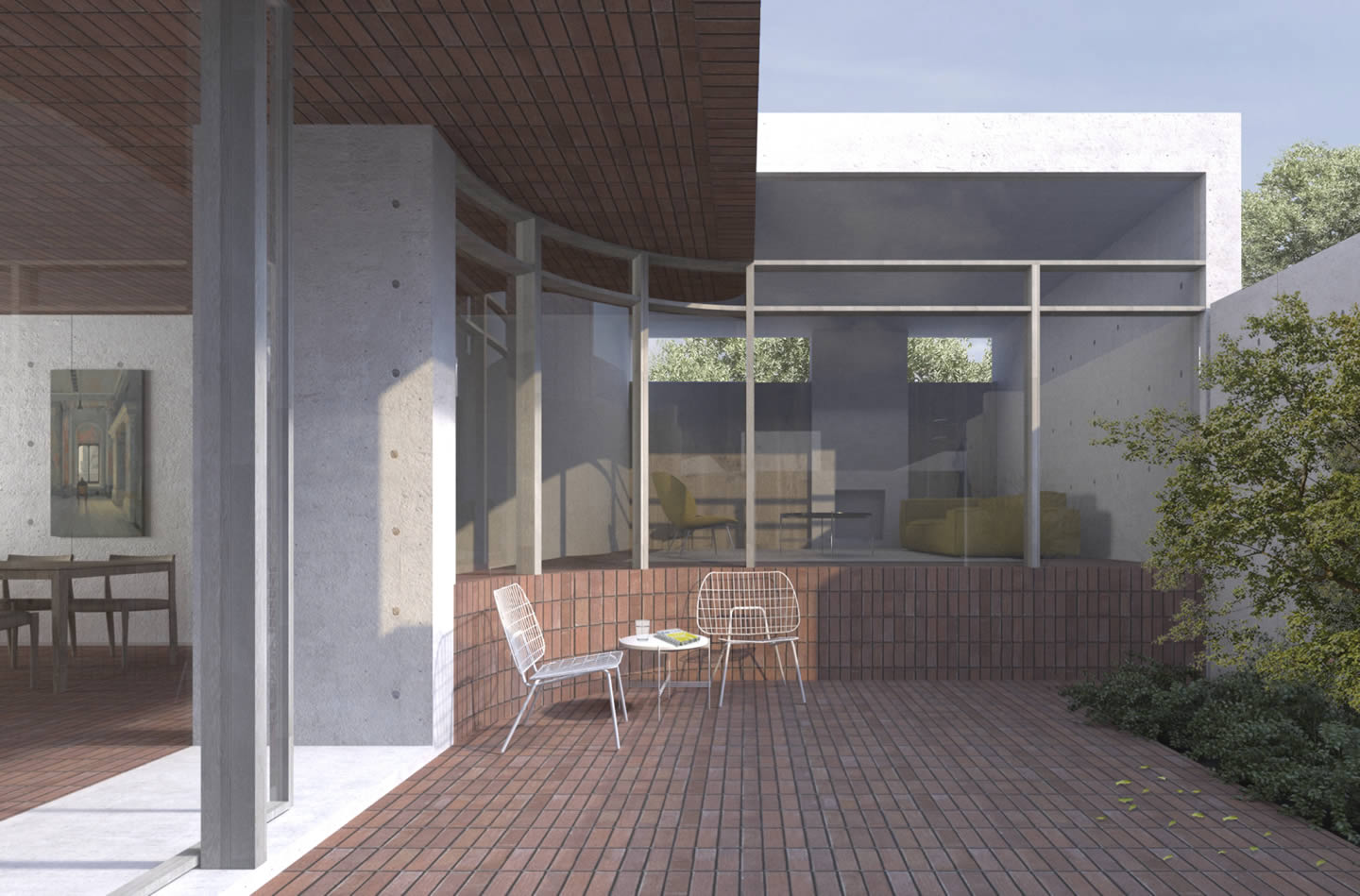
The three distinct homes interlock in section to provide outlook, privacy and connection to landscape in an intricate balance that maintains and responds the heritage fabric and ensures that the spaces formed meet passive design principles in terms of light and ventilation. The alterations expressive forms are un-apologetic in their architectural contribution to the multi-layered history on this site.
Lisieux is a beachfront property, located in Middle Park on the low lying strip of land between Albert Park Lake and Port Phillip Bay, once called Hobson Bay, and before that for a long time, Nairm. We respectfully acknowledge the Yaluk-ut Weelam Clan of the Boon Wurrung and their continuing relationship to the land upon which this project is sited.
Photos from the 1920’s show a Queen Anne pitched-roof house. Around a decade later the property was subdivided with two ground floor apartments and a second storey added to accommodate a third. Access to the first floor apartment by a new external stair and a Spanish Mission style façade transformed the presentation to the street. This alteration retained remnants of the original Queen Anne style at ground level which, together with alterations that enclosed the front portico the 1970’s, resulted in a façade that lacked clarity and undermined the intended glamor of the Spanish Mission alterations.
If you stand at the top of the external stairs and look across the bay, you are on a direct alignment with The Rip, a narrow opening that separates Point Nepean from Point Lonsdale. This gap is an aperture in the protective embrace of the Mornington and the Bellarine Peninsula that protect the bay-side suburbs from the battering winds of the Bass Strait.
Between Beaconsfield Parade and the distant shore-line the lights of the shipping lane flicker in the early evening light. All day and night a slow moving line of ships enter through The Rip and cross the bay. Their enormous hulking forms slipping in and out of views framed by architectural openings, by narrow lanes and rows of trees. We are reminded of Rick Amor’s “Study For The Ship 2003” where a hulking bow fills empty arches of an abandoned building and of his wind-sculptured tea-trees that cling, claw-like to dunes now still, in front of glassy water.
This design is for three homes:
The three distinct homes interlock in section to provide outlook, privacy and connection to landscape in an intricate balance that maintains and responds the heritage fabric and ensures that the spaces formed meet passive design principles in terms of light and ventilation. The alterations expressive forms are un-apologetic in their architectural contribution to the multi-layered history on this site.
On the lands of the Bunurong Boon
Wurrung people of the Kulin Nation.
Our Client’s Victorian terrace overlooks Nairm, Port Phillip Bay. Some mornings the bay is still, the lilac hue punctuated by bright jerseys of cyclists and lamps along the pier. This is Beaconsfield Parade at its most peaceful before the promenade fills with people strolling, paddling and driving. Later the wind rises, throwing waves onto the pier and foam onto the shore. At night stillness returns and lights of the shipping lane guide ships through the rip.
The brief was to reorganise the plan to improve light and outlook to the garden whilst providing a sense of entry from the lane. A single-storey, north-east facing pavilion is inserted below the existing building between the brick walls of the neighbouring terraces.
A stepped masonry wall forms a kind of lantern adjacent to an existing brick wall. Inside the plywood ceiling sweeps up, enabling light to fall deep into the floor plate. The volume created provides a high gallery wall whilst the rest of the addition is level with the adjacent boundary walls.
The lantern is the only part of the addition visible from outside of the property. This discrete intervention has improved the environmental performance of the home without compromising the heritage values of the place. The lantern is a welcoming engagement with the lane and surrounding built landscape.
Commendation – Residential Dwelling: Alteration/Addition
The Design & Development Awards, City of Port Phillip, 2022
